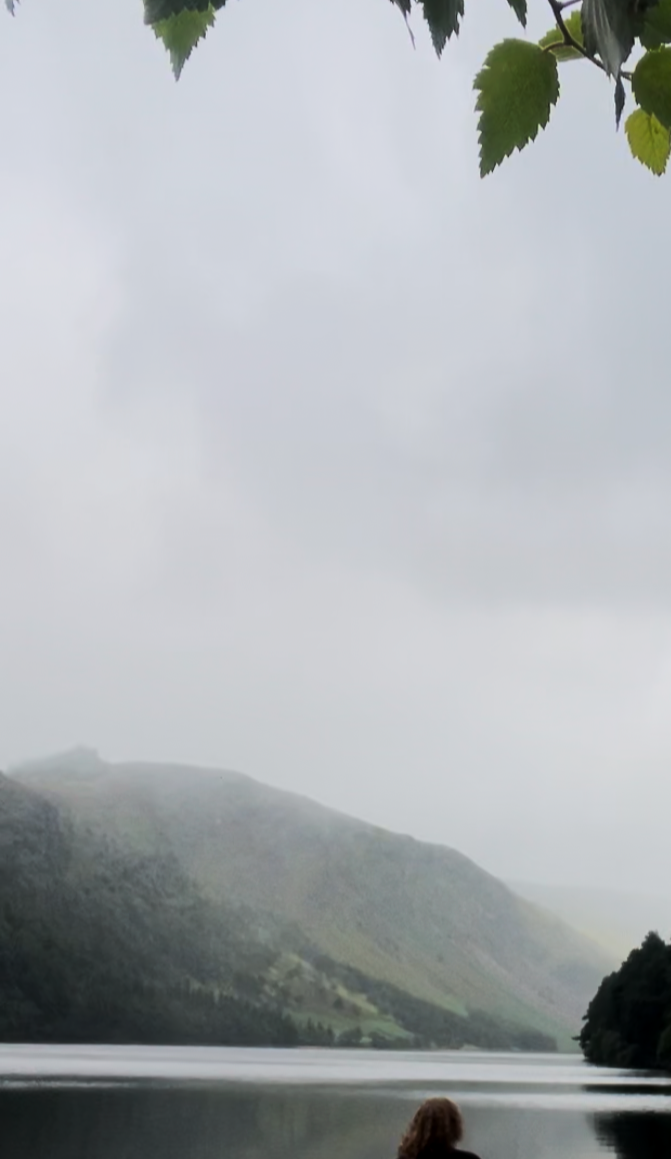
What does it mean to swim in the rapids between two cultures?
Do I have to build a bridge to close the gap between my mixed cultures or can I instead learn to swim in the rapids between them?
the waters that I was born into.
WHISPERS OF TRADITION
Whispers of Tradition is a research-led project I developed with support from Arts Council England, exploring Irish and Moroccan folklore, history and cultural memory. As part of the project, I travelled to Ireland and Morocco to research storytelling traditions, cultural practices and inherited narratives.
From the research, the project moved to explore how stories are carried, adapted and reimagined across generations and geographies.
The Stories We Inherit
the beginning
Myths carry some of the oldest tales on earth. They travel through cultures, they travel through time. Before there was written language, stories were told orally. They weren't just fairytales to help our children sleep at night; they were messages from our parents, our ancestors, passed down throughout entire bloodlines. They are stories of education, inspiration, stories of warnings to help us navigate life.
Being from two seemingly opposite countries, I found it hard to decide what messages(who’s story) I am supposed to listen to. Like a glitching radio, I never fully understood what was being said, no matter how much I straightened the satellite.
Growing up, I always felt as though I had to pick: Constantly questioning which of my ancestors' stories I wanted to tune into and pass down.
But the thing is, I don’t have to.
And that is where this project started.
Whispers of tradition is an ode to all my ancestors(all of them), it as an ode to myself. It is for anyone who has felt similar.
An ode to not picking.
Using myths, which I believe carry the answers to a lot of questions, my aim was to find similarities between my two countries through folklore, to uncover messages and stories that have been passed down from both of my halves and then find links between them.
My mother is Celtic, with roots in Ireland.
My father is Moroccan.
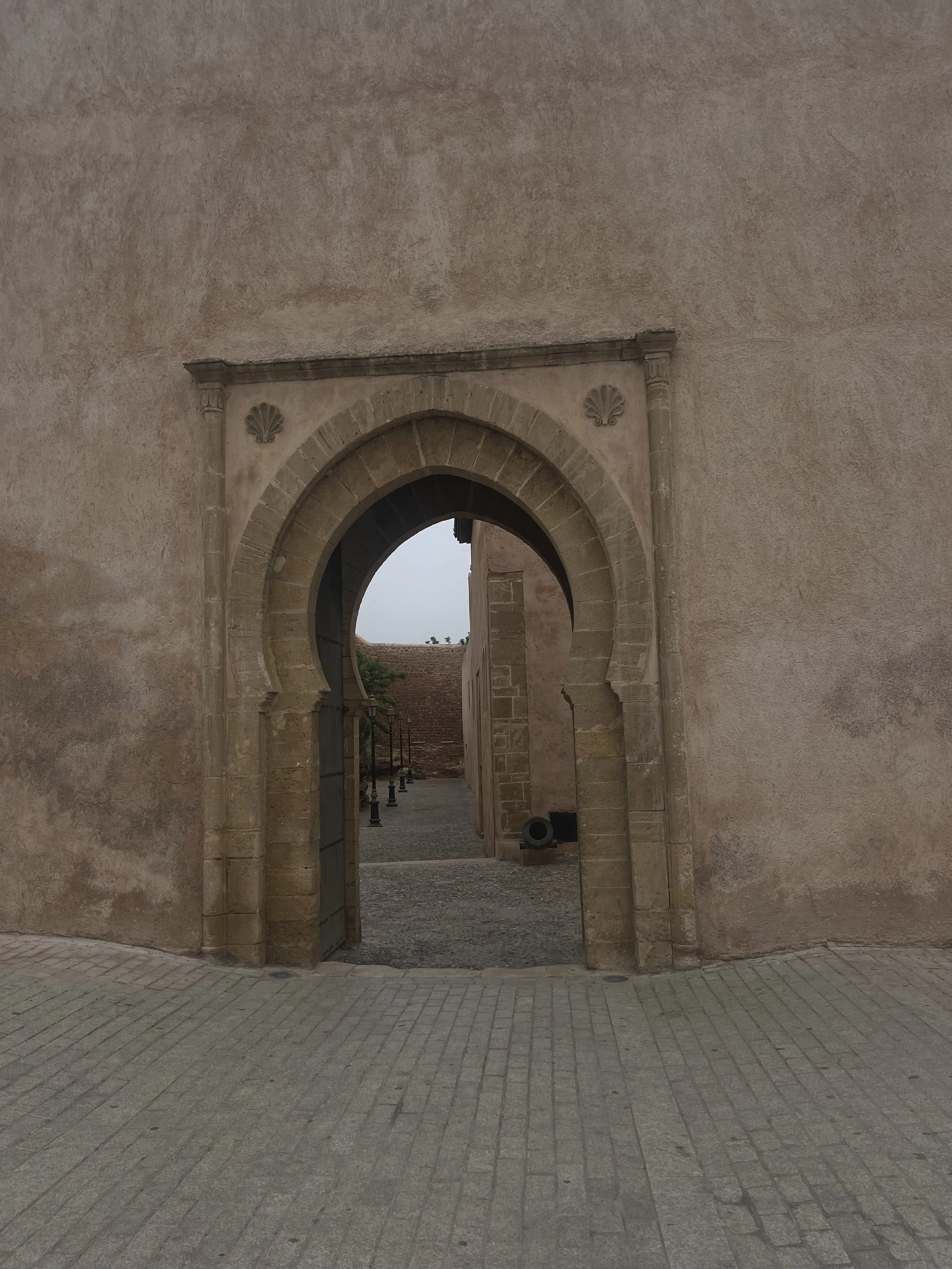
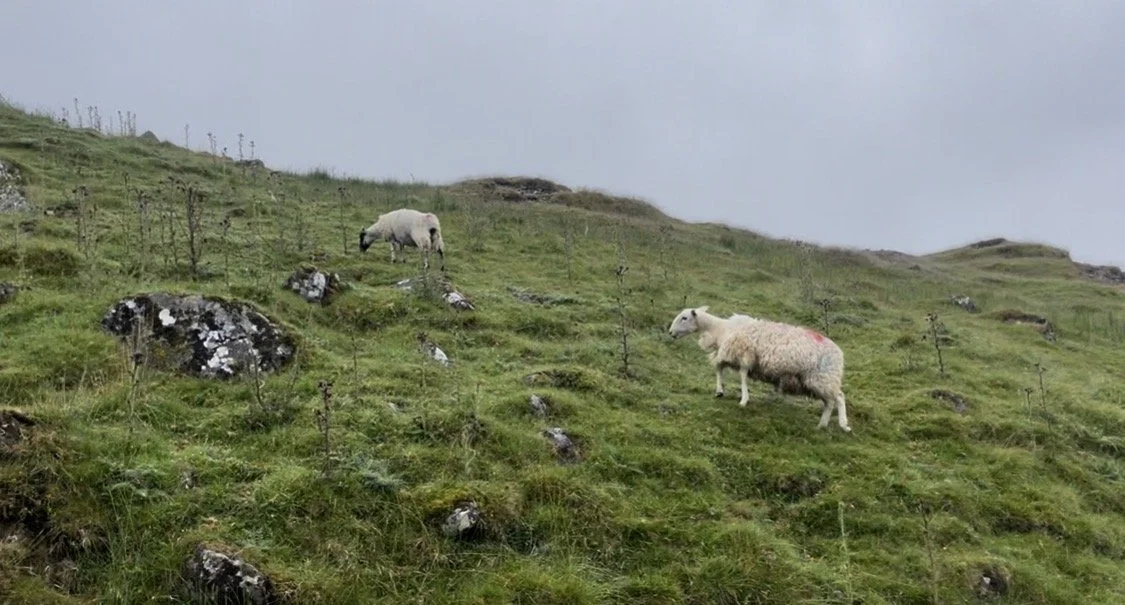
Coming from two countries that both have experienced serious colonial erasure alongside neither predominantly speaks their mother tongue, it was important to start on the land itself. Spending time in both Ireland and Morocco, I began my field research; rereading folklore without their colonial rewrites, Hearing them from the mouths of people who are native to the lands and diving deep in historical books.
.
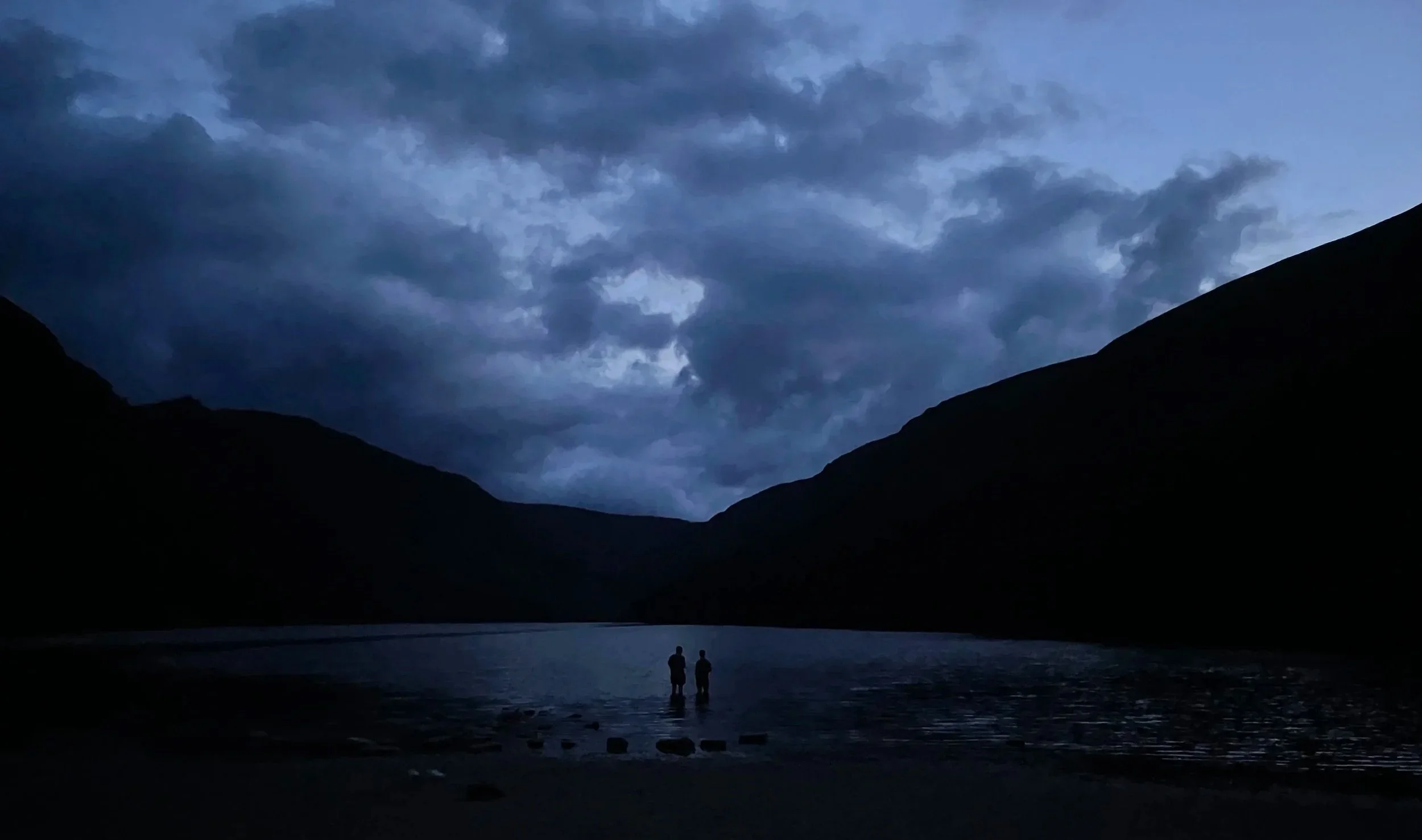
Swimming in the Rapids
After spending one month in Ireland and my first week in Morocco, I decided that before I build the bridge, I must acknowledge the gap. I must swim, eyes open, through the rapid waters between them. The countries are extremely different, and I cannot simply compare the olive tree to the Celtic hawthorn tree. For them to grow strong, they must sit in their separation, in their own ecosystems.
Though the histories of both countries have similar folklore in regard to women, or, as we will learn to call them, the screaming women. A bridge not made of words, but of frequency.
One that I have had to cross my entire life, being raised in London and unable to speak either language or live fully in either culture. I speak in frequency, a mixed one, like a radio that can't quite find a connection to one channel.
I focused my project on this, uncovering who they are, why they are that way and what they might mean for someone in the diaspora who comes from two cultures that have myths of these screaming women.
The folktales I uncovered: The Screaming Women
Beghla Dial Kabbor/The Cemetery Mule (Morocco)
The Myth:
Frequents cemeteries at night, hunting men. Half mule, half woman. Her story is told to scare people into not going out at night.
The Story:
Actually, she's a mourning wife who didn't follow the mourning period properly. People say Allah (although this is not religious or in any way linked to religion, just culture) turned her into half a mule for not following the mourning period, and she's heard screaming at night, forever mourning her husband.
The Truth:
When people act against societal norms, they say the djinn got them. When women don't follow protocol, they're turned into something not human.
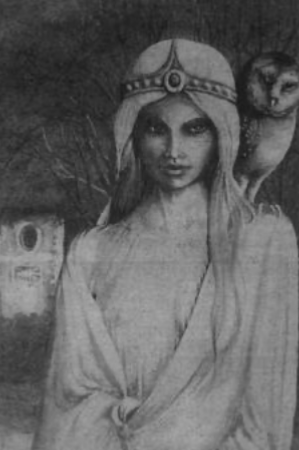
The Banshee (Ireland)
The Myth:
A screaming woman who kills people in the woods at night.
The Story:
In Irish folklore, they have a fairy realm, The Otherworld, Some believe the world was created when occupation first hit Ireland. They say that Ireland was originally mainly fairies, but the occupiers took it, which is why they went to the Otherworld.
The banshee is a myth following a fae woman who fell in love with a human man. He joined her in the Otherworld and left his family. She warned her human husband that he could never returner he would die, he did not listen. She went back to find him and got stuck in the land that was once hers, unable to return to the Otherworld.
The Truth:
Her scream is an act of mourning. Derived from the Irish traditional mourning ritual: keening. It's believed that if you see her, she's warning you of a death in your family.
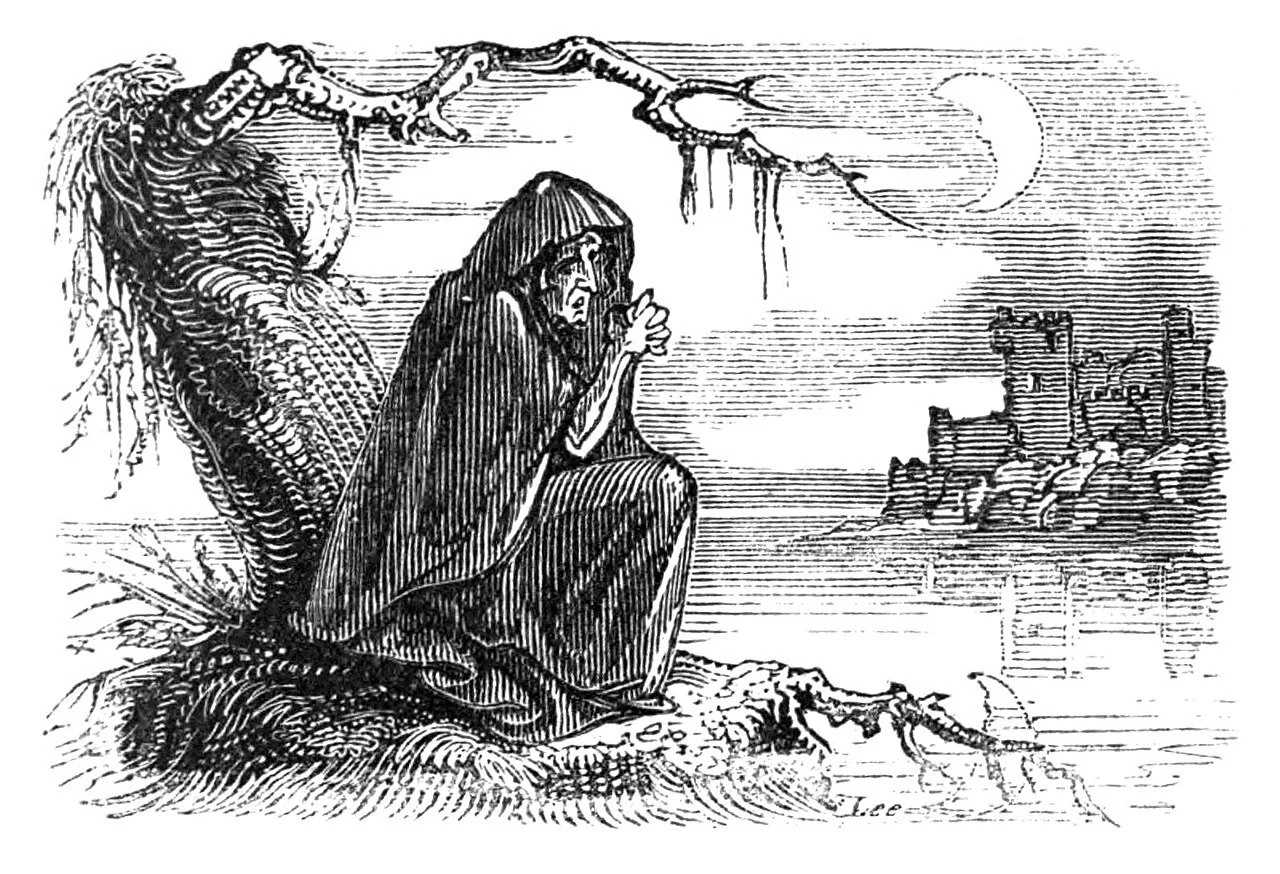
Aicha Qandisha (Morocco)
The Myth:
People are usually told that she's an evil woman , or djinn who seductively lures kills random men.
The Story:
Aicha Qandisha is an Amazigh myth, believed to be based on a real woman from the time of the Portuguese colonisation of Morocco in the 1400s.
People believe the Portuguese had killed all of her family, so, with her beautiful looks, she would lure the soldiers in and kill them as an act of revenge.
The Truth:
Her story has been rewritten. She was made into a monster, something easy to do with the SWANA diaspora. A woman is sexualised and villainised when she fights back, expressing real and painful emotions.
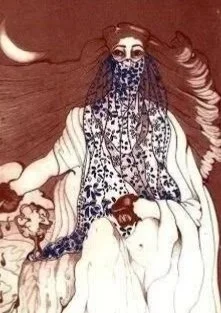
Bridget Cleary (Ireland)
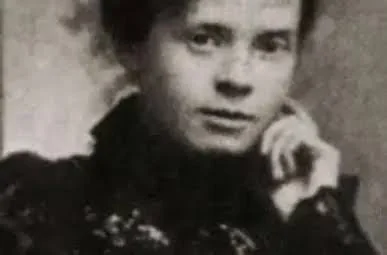
The Myth:
She went out into the woods at night and was caught by Fae. They swapped her for a changeling, then she returned the next morning. Upon return, She was sick, so
The Story:
She had more money than her husband and was more respectable. It's believed that he was jealous. She walked into the woods, and no one could find her until the next morning, when she returned home.
She returned with just a cold, they assumed that the fact she had returned alive meant she had been possessed by a changeling.
In folklore, When otherworldly beings swap a human for one of their own to live their life, It is called a changeling: a direct copy, just something more sinister. The human is trapped in the other world, whilst the changeling causes havoc in the human realm. Changelings appear in many cultures.
Bridget’s Husband and her father tried to exorcise the changeling from her, torturing her. She passed every single test to show that she was human, but still, after weeks of abuse, she was murdered.
The Truth:
Bridget Cleary was not a changeling. She was a real woman, murdered in her own home in 1895. Her husband, Michael Cleary, was convicted of her manslaughter.
When a woman survives, when she is autonomous, it is seen as a threat.

The Final Chapter
It is so easy for someone's story to be rewritten, how easily a woman's pain can be turned into rage if it doesn't fit the box society has put her in. I myself, knew these stories, but through their negative and fearful narratives.
Both cultures have loud sounds: zaghrouta in Morocco, keening in Ireland. Beautiful cultural sounds to display emotion, but over time they get villainised and twisted.
Growing up, hearing the versions of the stories that have been tampered with, I picked up the more co-ercive messages. Ones that tell me I must be quiet, fit into a perfect box, never go out at night, feel my emotions but don't express them: Let them become part of me, but don't let them affect others.
Researching the stories deeply, I read them as stories of resistance and rage. Their message is entirely different. They tell me It is okay to be loud, to rage, to feel and to let people know how I feel. It's okay to mourn and, if you can, help others.
Both countries have very deep colonial histories, but they also carry resistance, beautiful culture and history. Stories that need to be passed down through sound and movement, through rage and speaking up, and speaking back if you have to. That is how these stories survived, not through silence.
It's estimated that 24% of Moroccans speak their native tongue, Amazigh, and in Ireland, 39% speak native Irish. It's not because they don't want to; it's because the world taught them that they shouldn't.
In Ireland, they had a tally stick in school. Every time a child spoke Irish, they would be added to the tally. By the end of the day, they would be beaten. In Morocco, French is the language of the economy and the future. It helps you massively with your career.
When the project started, I initially struggled to find a connection between my countries, I was worried that I’d have to build an Unscaffolded bridge. They are very different, but it is in that difference where I found my answer. They are connected because they fought to preserve their culture, their identity. They are connected because resistance fills their bloodstream, feeding generations to come. They both have dark folktales, both having screaming women, The connection lives in that scream, It’s vibrations create a path in the water between the two lands. One that you can only pass if you learn to swim in the rapids.
I initially named this project Whispers of tradition. But it is far from that. They are screams! And channeling them, connecting to that glitched radio is the path forward.